

Piano teaching · Dublin

Structured piano teaching that gets students further, faster.

Beginners become graded, competition-ready, diploma-track pianists in a fraction of the usual time — because the teaching is designed, measured and adjusted, not improvised week to week.

The record so far

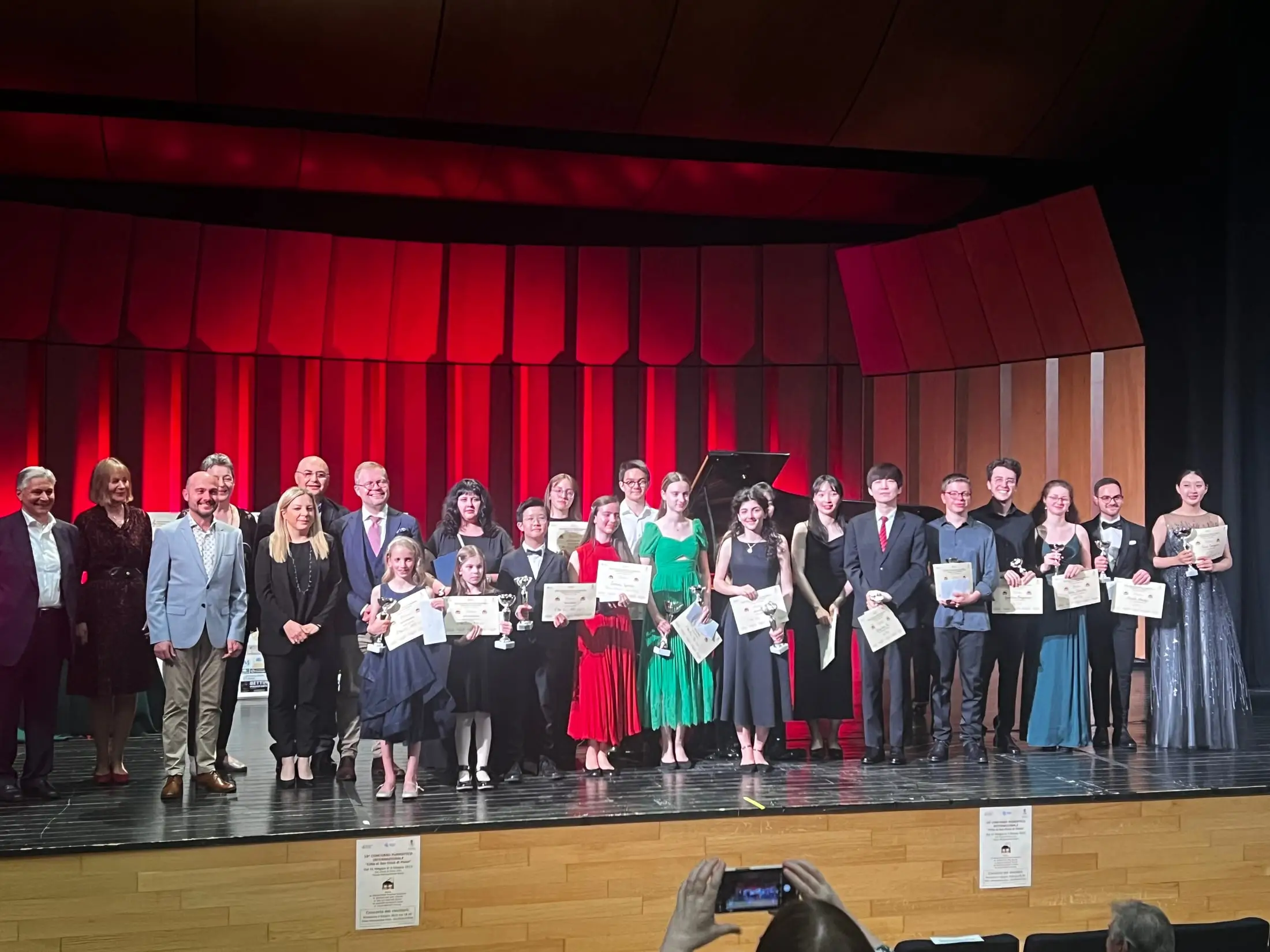
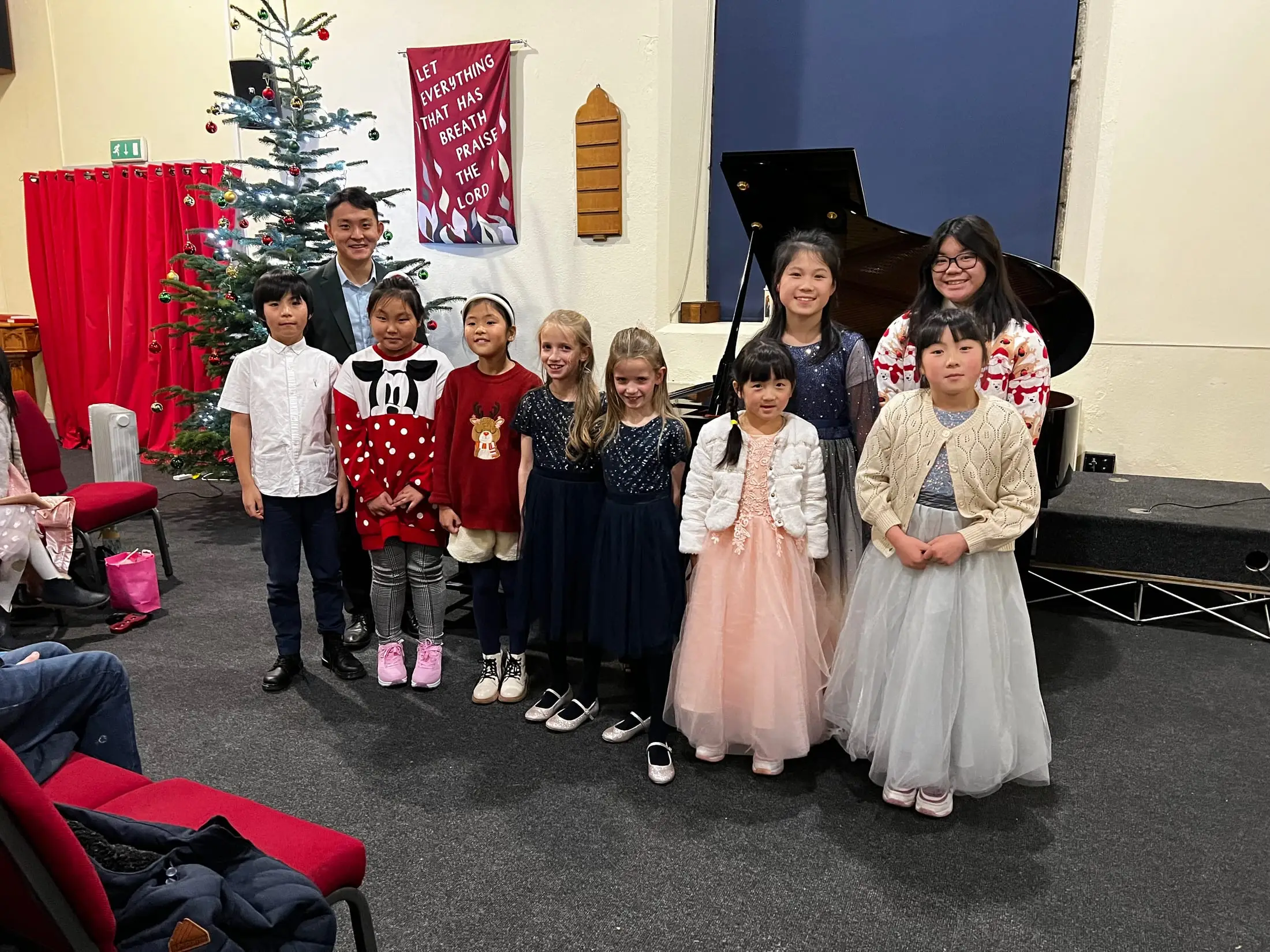
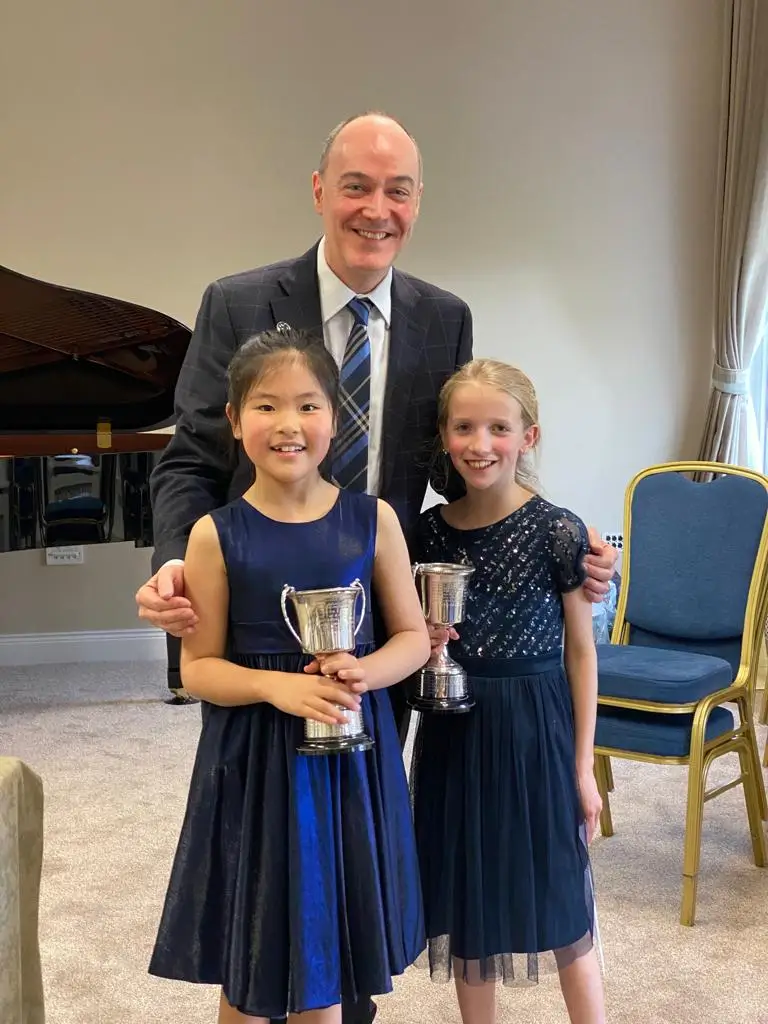
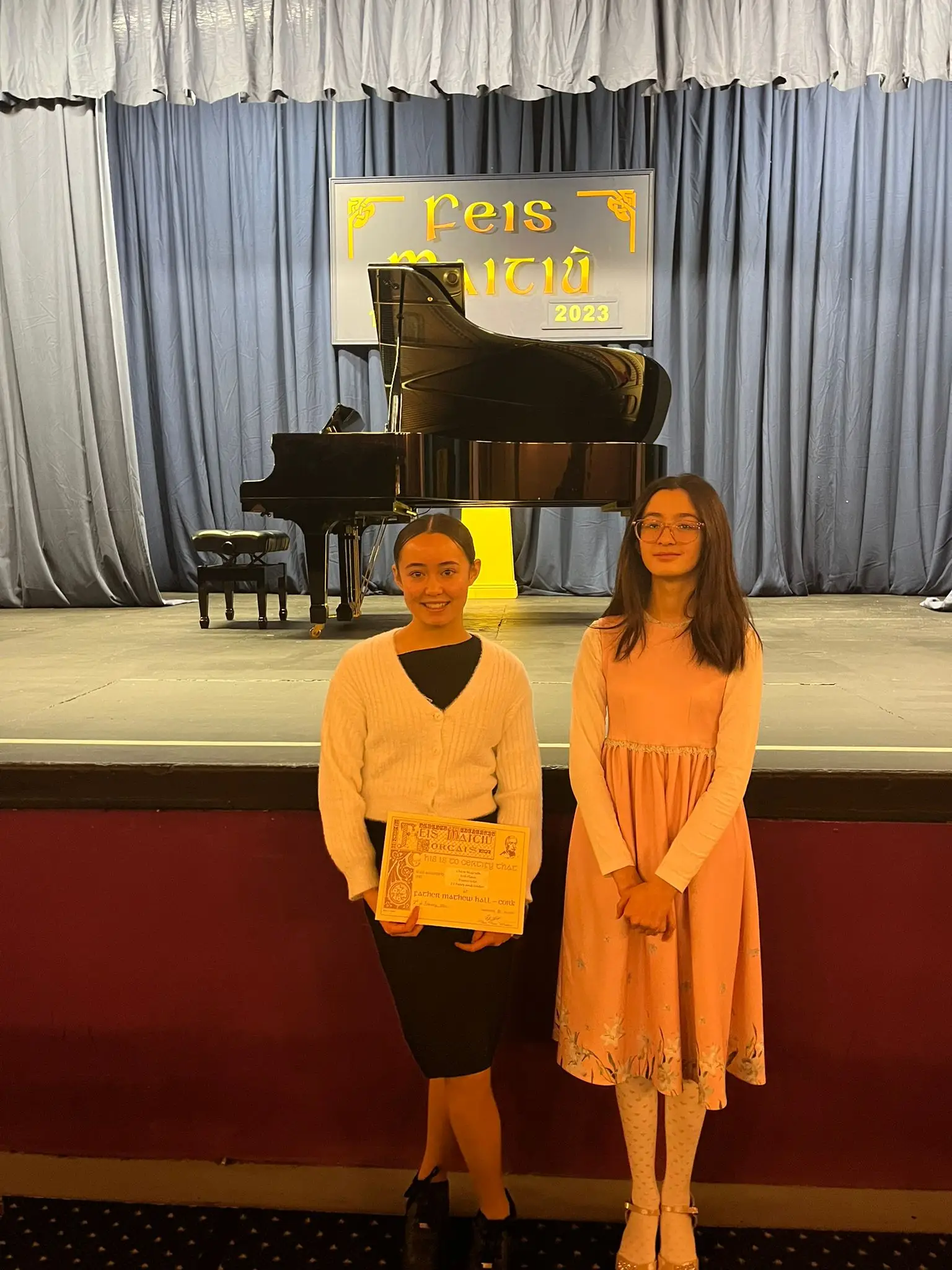
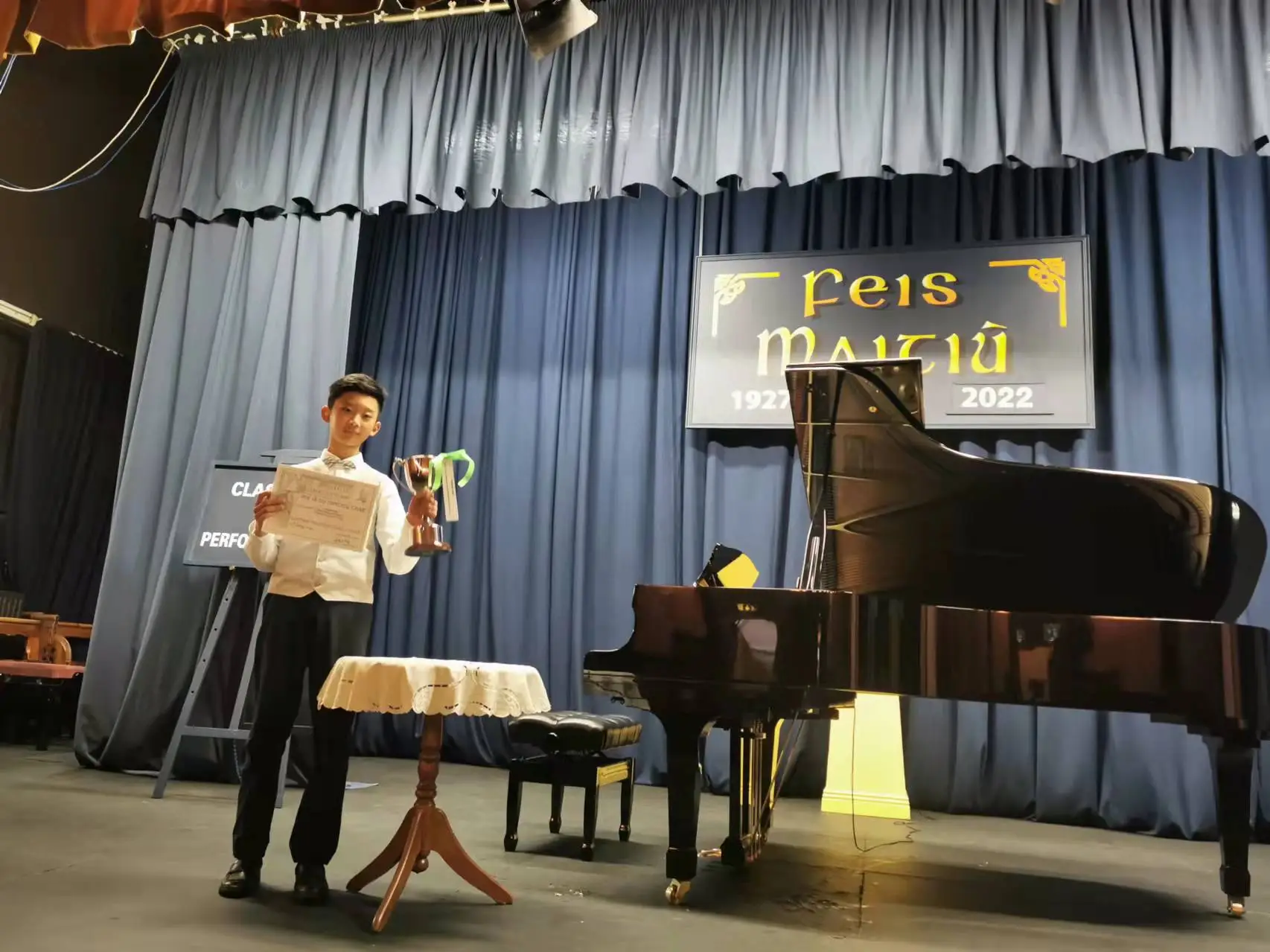
  • 175+student awards in national and international competitions
  • 25+distinctions in ABRSM and RIAM grade exams, Grades 1–8
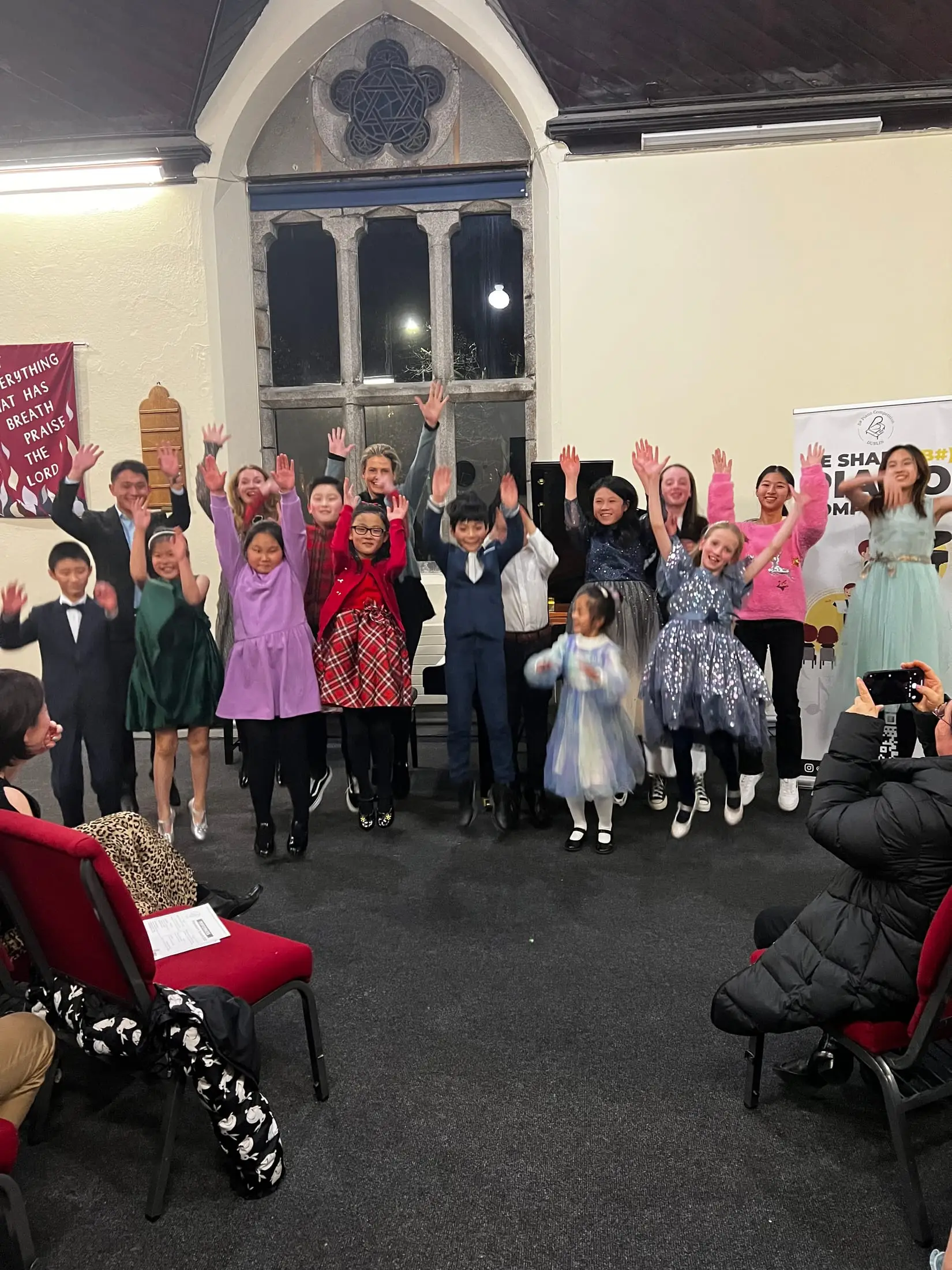
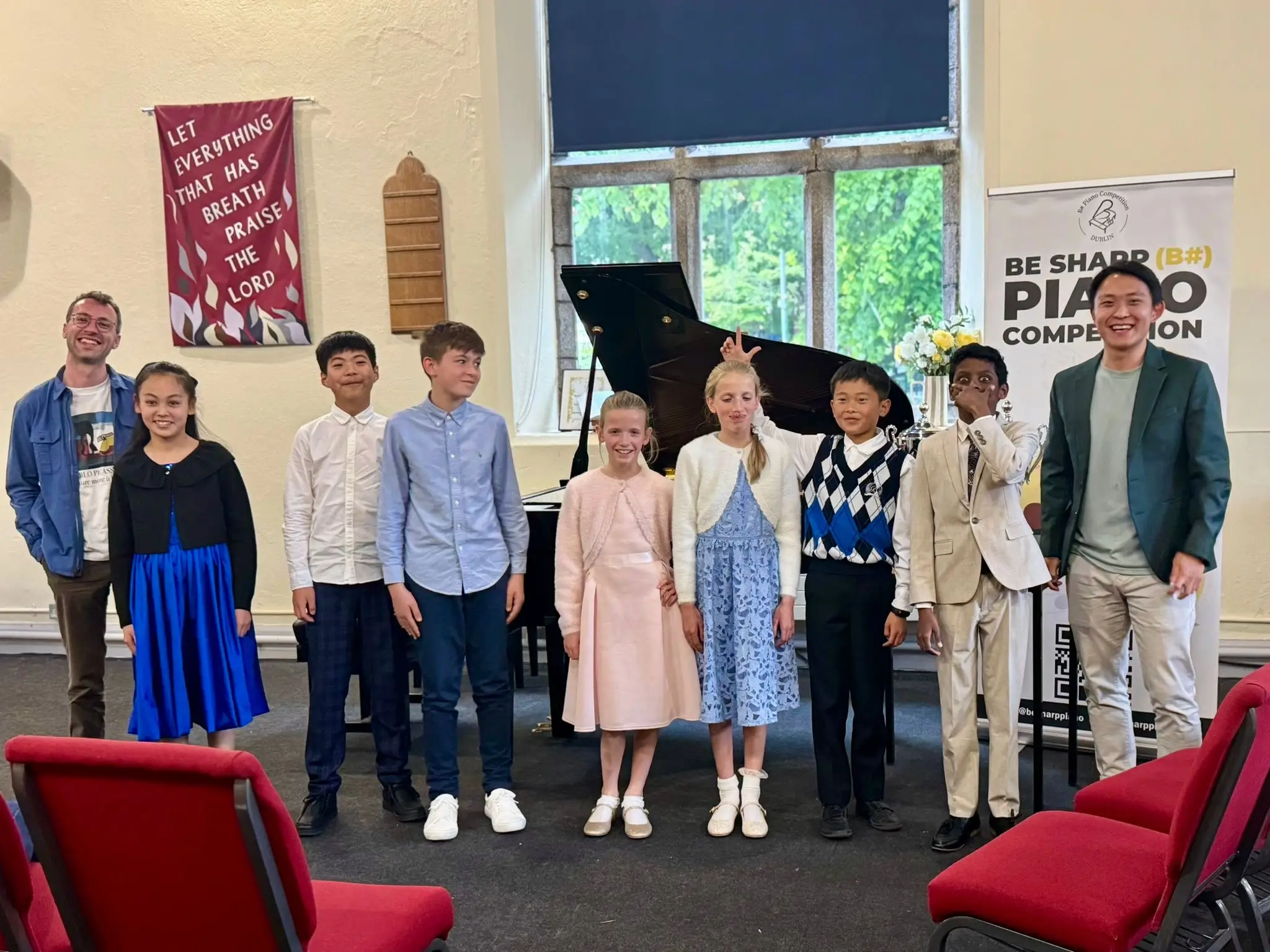
  • 170+competitors across four editions of the B♯ Piano Competition
  • 10 yearsteaching pianists in Dublin

Every figure on this site is drawn from Jason’s verified record. Nothing is estimated.

How this started

A method built by catching up

Jason started the piano at ten, later than most of the musicians around him, and spent his early years catching up. The work was not glamorous. His teacher, Shirin, gave him extra lessons and made sure every detail was right; he learned to listen properly and do exactly what the music asked. One hour of focused work on a single study — theSolfeggietto — changed what he thought was possible, and it is still how he teaches: small, exact, repeated attention rather than “practise more”.

He began teaching at sixteen, took on more students through the Piano Academy of Ireland, and built a studio that grew to three teachers and sixty pupils a week. Then he made it smaller again, so that each student could have his full attention. The point was never to rush a child through a syllabus. It is to see clearly where a student is, make the next task unambiguous, and build enough craft and confidence that the progress holds.

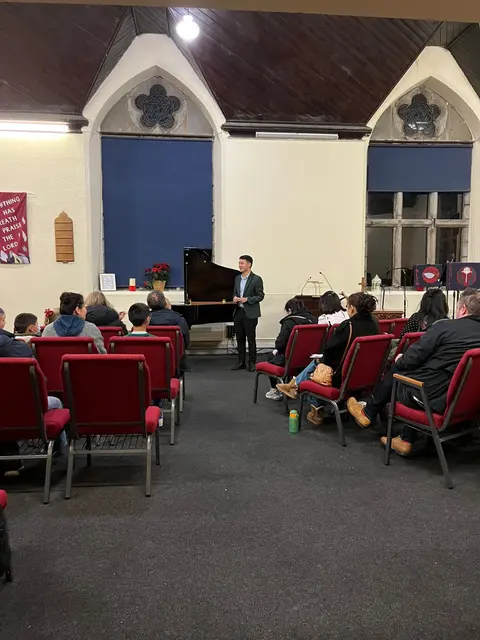
Jason Yang, seated at a grand piano
Jason Yang. Photograph by Dee Organ Photography.

How the teaching works

Why the results come faster

The speed is a by-product of four habits. A parent should be able to tell this apart from any other teacher’s page.

  1. It starts with an honest diagnosis

    Before targets are set, Jason looks squarely at what is there — technique, reading, listening, habits, musical understanding — and names the weak links. In one Grade 7 case he told the family the pupil was scoring in the 70s when they expected 90s, ran weekly mock exams, and marked a final mock at 85. The exam came back 86.

  2. Work is built around the student

    Beginners work on reading and balance between the hands; intermediate players on technique, dynamics and phrasing; advanced players on emotion and interpretation. Repertoire is chosen to suit a pupil’s temperament, and pieces are found by listening in Jason’s own time.

  3. Parents are part of the plan

    Once or twice a year, parents book 30–45 minutes to review what is working, what is not, and the goals for the year ahead. Jason is more direct than most teachers: if progress has stalled, he says so. That candour is what makes the plan hold at home.

  4. Music has to mean something

    At the top level everyone can play the notes; the difference is imagination. Jason ties pieces to stories and characters his students know — a Bach fugue voiced through Moana — so they make musical decisions rather than reproduce them.

One student’s arc

From preparatory to Grade 3 in a year

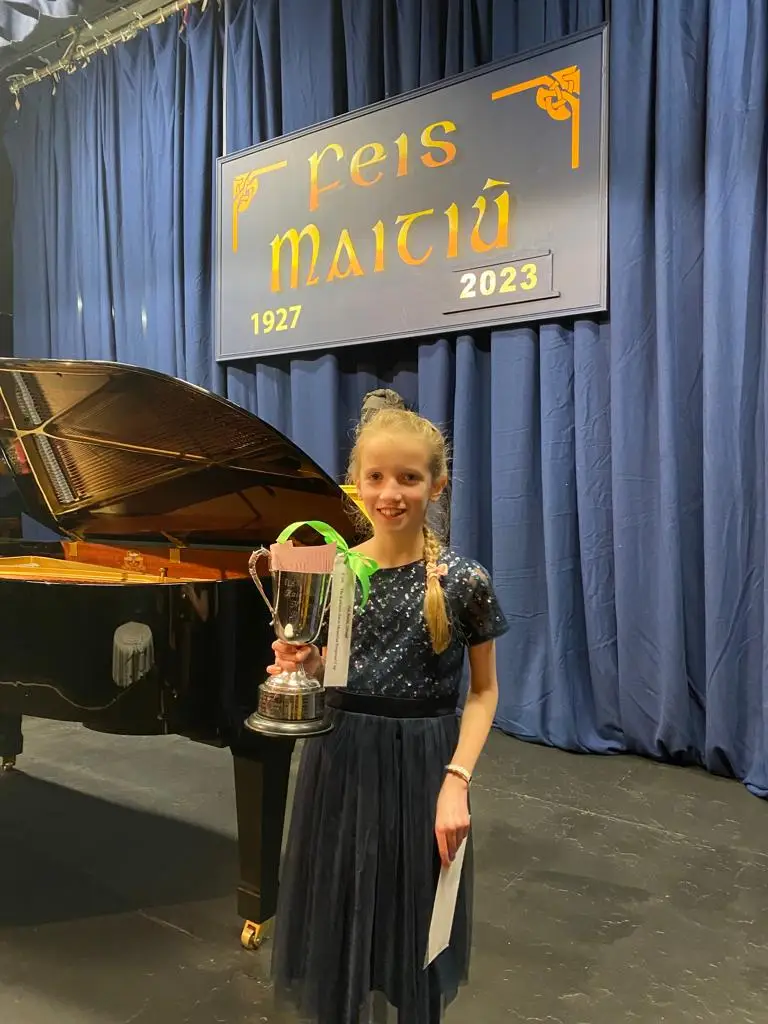
One family came to Jason after two years in preparatory elsewhere, with progress that had stalled. Within just over a year of starting lessons, their daughter had moved from preparatory to Grade 3, entered her first competition at Jason’s suggestion, and won it. On the morning of her exam, when nerves hit, he sat in and accompanied her himself.

“My daughter used to be in a different school and she was in preparatory for two years and her progress was very slow. With Jason, she was able to accelerate hastily with very remarkable outcome. From preparatory she was able to accelerate to third grade in just over a year, and she even joined and won in a competition with Jason’s persuasion. He is also a very supportive teacher — he even accompanied our daughter on the day of her exam when she was nervous.”

— Parent of Ailish (12)

The pace is not a promise or a template. It is what becomes possible when a committed student, an involved parent and a precise plan pull in the same direction.

Availability

The studio is small on purpose

The studio is small by design and currently full. New enquiries are read and added to a waitlist, and places are offered as they come up.

Considering lessons for your child?

Tell Jason about the student and what you are hoping piano will make possible.

Join the waitlist